Six Chairs and a Line Out the Door: The Turkish Barber Shop Is Becoming the Block's Living Room
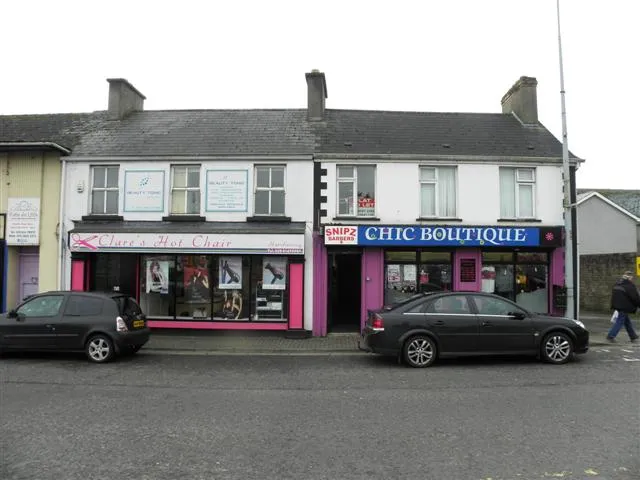
Photo: Kenneth Allen , CC BY-SA 2.0, via Wikimedia Commons
Saturday, 10:40 in the morning, and there are six guys ahead of you. Two are sitting, four are standing, and one is holding a small glass of tea he did not ask for and did not refuse. The kid in the chair is maybe seven, getting his first real haircut while three grown men offer opinions.
This scene is repeating itself in more American neighborhoods every year — not just in the old enclaves, but in strip malls and converted storefronts where the nearest baklava is a fifteen-minute drive.
The chair count is the whole business model
These shops tend to be small. Three to six chairs, sometimes eight if the lease is kind. Walk-ins are the default; the booking app, if there is one, is an afterthought bolted on for the customers who insist.
A cut runs somewhere in the $30 to $45 range in most markets, takes about twenty minutes, and comes with hot towel, straight razor around the edges, and a level of neck detail that American barbering had largely stopped bothering with. The math only works on volume. That's why the line exists, and why the line isn't considered a problem.
The flame near your ear
The trick that gets the most attention — and the most nervous laughter — involves a lit cotton swab or a small flame run quickly around the ear to sing off peach fuzz. Barbers describe it as a two-second motion with a decade of practice behind it. Customers describe it as a spiritual experience and also terrifying.
Behind the counter, it's a compliance question. State licensing boards, insurance carriers, and landlords all have opinions about open flame in a retail space. Shops handle it differently: some skip it entirely, some offer it only on request, some have a fire extinguisher mounted where you can see it, which is either reassuring or not.
The chain that crosses an ocean
The apprenticeship pipeline is the part outsiders never see. A master in Gaziantep or Kayseri or Şanlıurfa trains a nephew. The nephew comes over, spends two or three years in somebody's shop learning the American side of it — the clippers, the fades, the small talk, the tipping norms, the client who wants a number two all around and nothing else. Then he opens his own place, often in another borough or another state entirely.
That chain is why you can find a shop in a Texas strip mall whose owner learned to sharpen a razor from a man who learned from a man in the same street in Anatolia. It is also why quality varies. The hand that holds the blade matters more than the flag on the window.
Rent math on Main Street
Barbershops colonize commercial strips that restaurants can't afford and boutiques can't survive. A small footprint, minimal build-out, and a customer base that returns every three weeks is a genuinely durable retail model — one of the few left that doesn't depend on a delivery app taking a cut.
Some shops rent chairs to independent barbers instead of employing them, which shifts the risk and changes the culture of the room. Owners who do it well say the chair renters become partners. Owners who do it badly end up with four separate businesses sharing one bathroom and no tea.
Not a spa, not a speakeasy
American barbering spent the 2010s going upscale: leather chairs, whiskey, $70 fades, a soundtrack curated by somebody's playlist. Turkish shops mostly didn't take that turn. The room stays utilitarian — good lighting, tile floor, a TV nobody is watching, a kettle running all day.
That's the appeal. Plenty of men don't want an experience. They want twenty-five minutes where somebody else is in charge and the conversation is optional. The Turkish shop gives you both settings: talk if you want, sit quietly if you don't, and nobody will make it weird.
What the block actually gets
Watch a shop for a month and you see the rest of it. First haircuts and the phone cameras that come out for them. Older men who come in twice as often as they need to. The information network — who's hiring, who has a room for rent, whose cousin fixes transmissions. Customers from four or five language groups, all getting the same hot towel.
The sharper question isn't whether this counts as cultural exchange. It's whether the ritual survives success. A Keurig where the tea tray used to be is the first sign. The second is a menu with a trademark symbol on it.
For now, the kettle's still on. Get in line.