The Bit Starts With Your Own Name: Turkish-American Comics Are Packing Rooms That Have Nothing to Do With Turkey
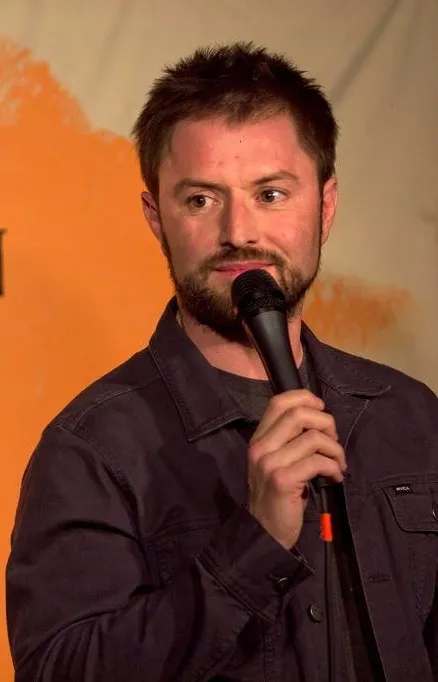
Photo: Salvador Calyso, CC BY-SA 3.0, via Wikimedia Commons
There's a moment in a lot of these sets where the room turns. It usually involves a story about a mother who calls three times in an hour, or a name that gets mispronounced at a coffee shop, or a visa officer who wants to know why a grown adult has never owned a car. The comic delivers the punchline. The room — half of it Turkish, half of it not — goes off together.
That's the thing about the comedy boom happening right now in Turkish America: it isn't playing to a niche. A decade ago, a Turkish-American comic doing family material was lucky to headline a cultural center's cultural night. In 2026, they're headlining a basement club in Brooklyn on a Thursday and posting the clip by Friday to a couple hundred thousand views.
The Material Was Always There. The Venue Wasn't.
Ask around and you'll hear the same three-city story: New York, where the open-mic grind is brutal but the room turnover is constant; Los Angeles, where the audition circuit is a full contact sport; and Chicago, where the storytelling tradition runs so deep that a well-built personal bit can survive a freezing Tuesday.
What changed isn't the jokes. It's the pipeline. TikTok turned a five-minute set into a clip, the clip into a booking, the booking into a tour date in a city where fifteen hundred people suddenly want to see you. Comics who spent years building a following in group chats and Yelp-listed Mediterranean restaurants now have a national route mapped out by comment sections.
One comic in Brooklyn described the shift bluntly: 'For years the advice was to sand down everything that made me specific. Now the specifics are the act.' That's not a humblebrag so much as a market observation. Audiences born after 1995 are aggressively uninterested in a version of you with the edges filed off.
A Set Nobody Needs a Glossary For
The better comics in this scene have figured out something subtle: you can be specific without being exclusive. The best sets build in the explanation without sounding like a lecture. Nobody stops to define 'teyze' — they just show you the lived-in version of her, and by minute three you know her better than you know your own neighbors.
So a bit about a grandmother who keeps a plastic bag of plastic bags is not a bit about Turkey. It's a bit about everyone's grandmother, delivered with an accent you might not have heard in a Netflix special.
Other stalwarts of the set list: the honorific problem (the 'Baba' that an emergency room nurse cannot pronounce), the wedding that had three hundred guests and zero invitations mailed, the friend back home who thinks you're rich because you own a home in Ohio, and the strange bureaucratic theater of renewing a green card while your mother asks why the FBI hasn't called yet.
The Room Is Getting More Mixed, and That's the Point
If you go to a show in 2026, pay attention to who's laughing. It's rarely one crowd. There are the aunties in the back who came because a nephew insisted. There are the non-Turkish partners who've been absorbing context clues for four years. There's the guy who dated a Turkish woman in college and is still working through it. There's a small delegation of wedding guests who met in a group chat and now consider themselves part of the scene.
And that's the funny thing about specificity: it travels. A comic who can make a Jackson Heights crowd scream in recognition can make a Chicago crowd laugh at the recognition itself, even if the details aren't theirs. The joke lands because the stakes are legible — family, money, belonging, the fear of getting a phone call with bad news.
Comedy as the Soft Door
Here's the part worth sitting with. For a lot of younger Turkish-Americans, stand-up has become a gentler way into an identity that used to feel like homework. Learning the language properly takes years. Attending community events can feel performative. But a comedy show at 8 p.m. on a Friday? Tickets are twenty-five bucks, the drink is optional, and nobody will ask you which village you're from.
Comics themselves lean into this. Several now run regular shows with mixed lineups — one Turkish-American, one Armenian-American, one Muslim comic from Jersey, one guy whose whole thing is his divorce — and the result feels less like cultural programming and more like a party that happens to have a theme.
There's a risk, obviously, in turning the diaspora into content. One comic mentioned the guilt of using her mother's immigration story as a closer, then shrugged. Her mother, she said, thinks it's funny. Then she asked for a link to the video and sent it to eleven people.
How to Find It
If you're curious, start locally. University towns have open mics on Monday and Tuesday that are cheaper than a movie. Cultural centers in New Jersey, Chicago, and Southern California have been quietly booking comics alongside music nights. Follow a few of the names making the rounds on TikTok and you'll notice the tour dates appended under the caption within a week or two.
And if you're Turkish and you've never been to a show? Go knowing this much: you'll hear your parents' semantics, your own name mispronounced by a nurse, and a version of your wedding that somehow had fewer people and a longer reception. You'll laugh at the parts you've decided not to be sad about yet.
That's what comedy has always been for. Somebody finally got around to making it in your accent.