No Bottomless Mimosas Required: The Slow, Sprawling Turkish Breakfast Taking Over American Weekends
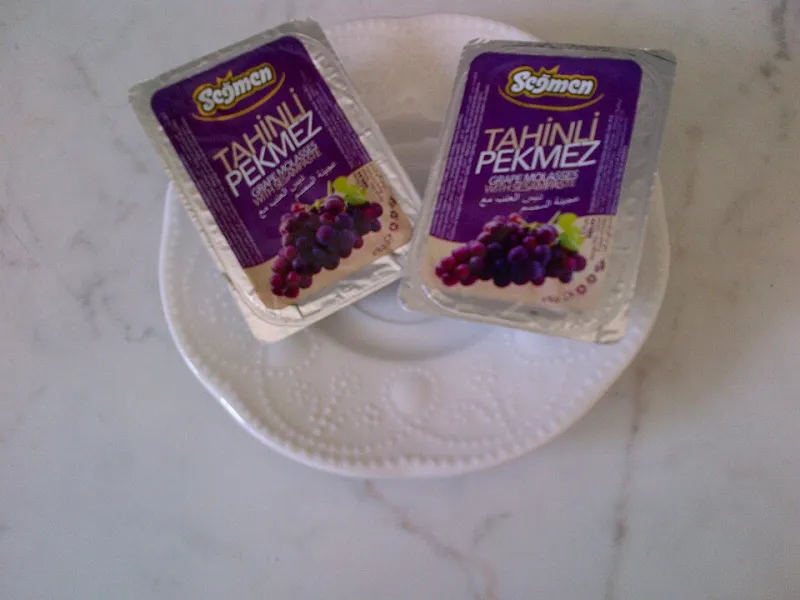
Photo: E4024, CC BY-SA 4.0, via Wikimedia Commons
On a Saturday morning in Clifton, New Jersey, the table is already a small city of plates. There is a bowl of beyaz peynir, another of black olives, a cutting board of tomatoes and cucumbers, a jar of honey with the spoon still in it, and a stack of simit that will be gone before the second pot of çay finishes brewing. Nobody is taking a photo. Nobody is asking whether the avocado is extra. The eggs have not even hit the pan yet, and that is precisely the point. This is kahvaltı—Turkish breakfast—and it is slowly becoming one of the most quietly radical weekend habits in Turkish-American homes and restaurants from Brooklyn to Chicago to Los Angeles.
It is not brunch. At least, not the American kind. American brunch has a schedule, a bottomless option, and a subtle pressure to turn the table over before the next reservation. Kahvaltı has a different clock. It starts when the first person wakes up, pauses when someone remembers to put the tea on, and ends when the last person finally pushes back from the table—often hours after the first olive was eaten. The point is not to impress anyone. The point is to stay.
It’s Not Brunch. It’s a Different Clock.
For Turkish-American families, kahvaltı is less a meal than a permission slip. Permission to do nothing but sit, eat small bites, refill glasses, and talk about nothing in particular. The spread looks elaborate, but the cooking is mostly assembly: cheese, olives, tomatoes, cucumbers, jam, butter, honey, kaymak if you can find it, perhaps a bowl of menemen or sucuklu yumurta made at the last minute. The real labor is in the hosting—remembering who likes their tea strong, who needs gluten-free bread, who will eat the last slice of börek before anyone else gets a chance.
Restaurants are catching on, carefully. In New York, Chicago, and Los Angeles, a handful of Turkish cafés have started serving weekend kahvaltı spreads that look more like a home table than a menu item. Chefs describe a nervous balancing act: how do you offer a generous, lingering meal without turning it into a bottomless free-for-all? Most have landed on a set spread with unlimited tea, because tea is non-negotiable, but a fixed food menu that keeps the kitchen sane. The best ones do not rush you. The check arrives when you ask for it, not when the table has been sitting for ninety minutes.
The Spread Is the Guest List
At home, the spread is a portrait of the family. There is always someone who brings the good olives from a Turkish market forty minutes away. Someone else makes the börek, usually in a quantity that suggests a small army is coming. A cousin might show up with a jar of homemade jam, and a neighbor might bring a loaf of sourdough because they heard there would be breakfast. The table bends toward potluck without ever announcing itself as one.
This is where kahvaltı adapts beautifully to American life. You do not need a Turkish grandmother in the kitchen to pull it off. You need a shopping list, a big table, and the willingness to let people help. Trader Joe’s can supply the honey and the nuts. A local Middle Eastern or Turkish grocer can handle the cheese and olives. The simit can be store-bought or homemade, and no one will ask for a receipt. The menu is flexible as long as the rhythm is right: small plates, many refills, no clearing.
The Rule Nobody Writes Down
The most important rule of Turkish breakfast is that you do not clear the table early. In American brunch, a cleared plate is a compliment to the chef and a signal to bring the check. In kahvaltı, a cleared plate is just a pause. More food appears. More tea is poured. The table stays messy because the mess is evidence that people are still there.
That is the part restaurants have to learn and home cooks already know. The meal is not a performance of abundance. It is a practice of attention. You sit. You listen. You butter a piece of bread for the person next to you. You ask about the week. You let the morning stretch until it becomes afternoon and someone finally says, half-heartedly, that they should probably get going. They will not get going for another forty minutes.
How to Host Without Losing Your Weekend
The good news is that kahvaltı is forgiving. Buy the cheese and olives a day ahead. Brew tea in a large pot and keep it warm; a samovar or a thermal carafe works fine. Assign the eggs to someone who likes cooking in front of people. Set out the cold things first, then make the hot dishes in small batches so no one feels like they are eating at a buffet. Put the phones in another room if you can. If you cannot, at least put them face down.
And do not worry about the avocado. It can come. It just does not get to rush the table.
At its best, kahvaltı is a quiet rebellion against the American weekend to-do list. There is no reservation, no bottomless mimosa, no two-hour limit. There is just a table that refuses to be cleared, a pot of tea that keeps giving, and a family that has decided, for one morning, to stay put. That is not brunch. That is something better.